What are the Dawn Raids?
The topic I have chosen is the Dawn Raids. Dawn raids were when police and immigration officials would invade Pacific islanders' homes early in the morning. This first happened in March 1974 and then ended in 1976. These Dawn Raids had been conducted to identify and then deal (by deporting them) with illegal migrants. The Dawn Raids were racist because of how the government targeted Pacific islanders. The Dawn Raids also happened at any time during the day despite the name suggesting otherwise.

Left: A picture of Norman Kirk leader of the Labour Government in 1974. He first introduced the Dawn Raids.
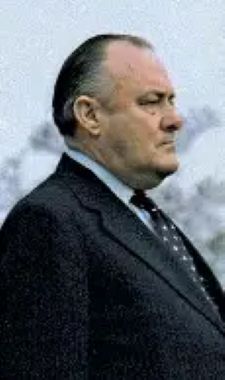
Left: A picture of Robert Muldoon leader of the National Government in 1975. He is a prominent supporter of the Dawn Raids.

Above: Polynesian Panther Party was a group composed of: young Pacific Islanders; some young Pakeha supporters; Māori were also a part of the group. The Panthers formed to combat issues against Pacific Islanders. They are most known for what they did during the era of the Dawn Raids.
Are there any intersting statistics or data related to your topic?
Pacific Island population of New Zealand
1945 – 2159 (0.1% of the NZ population)
1961 – 14,340 (0.5%)
1966 – 26,271 (1.0%)
1971 – 43,752 (1.5%)
1981 – 93,941 (3.0%)
2006 – 266,000 (6.4%) *
2018 – 381,642 (7.9%)
*Of these, 49 % were second- or third-generation Islanders born in New Zealand
Sources: Sean Mallon et al. (eds), Tangata o le moana: New Zealand and the people of the Pacific (2012)/Statistics NZ
⅔ of overstayers were made up of Europeans, British and North-American.
LINKS:
The dawn raids: causes, impacts and legacy | NZ History
Dawn Raids in Aotearoa New Zealand | Te Papa
The Terror of the Dawn Raids | E-Tangata
The dawn raids explained: What drove the Government to target Pasifika people | Stuff
Ministry for Pacific Peoples — Remembering the Dawn Raids
The dawn raids | National Library of New Zealand
The dawn raids: causes, impacts and legacy | NZ History
The Dawn Raids In New Zealand: History Of Racism And Apology
Timeline of the Dawn Raids | Manatū Taonga | Ministry for Culture & Heritage
Important Figures
NORMAN KIRK:
Norman Kirk leader of the Labour government in 1974 who initiated the Dawn Raids. He had been the first to introduce the Dawn Raids. He had then stopped the raids on 21st of March in the same year.
ROBERT MULDOON:
It was Muldoon’s campaign that was heavily about controlling the “immigration issues” present in Aotearoa NZ. His election campaign released many cartoons that were produced by the animation studio Hanna-Barbera. An infamous one was a cartoon that featured a Pacific Islander character that aligned with racial stereotypes at the time (which is still present today). The racial stereotype was that Pacific islanders were threatening and could be violent. This was shown after the Pacific islander had found out there was no work available.
Robert Muldoon was leader of the National government in 1975. He with his National government continued the Dawn Raids. It was the 17th and 18th of February 1976 when the National government had brought back the raids. Alongside the raids he introduced blitzes which was when police confronted Pacific islanders in public. His plan was to identify overstayers and then deal with them through deportation. This would have been accepted if Muldoon and his government had done so impartially.
When continuing the Dawn Raids his government hadn’t done it fairly. The way he executed the Dawn Raids was blatantly racist. This was because of how they were racially targeting Pacific islanders. This was seen as unacceptable because of how the NZ public was against targeting ethnic groups. The Dawn Raids were blatantly racist because of how two-thirds of overstayers were composed of Europeans, British and North-Americans. Despite this, Pacific Islanders were the majority of those prosecuted.
THE POLYNESIAN PANTHERS:
The Panthers is an activist group that was created in 1971. It was mainly composed of Pacific islanders and young people with a range of 16-21 years old. The Panthers were created to combat problems that Pacific islanders were facing while living in NZ. The Panthers came together to be bolder than their parents and elders who were too afraid to fight for themselves.
The Panthers are most known for their actions against the Dawn Raids. Their most memorable being the Dawn Raids they did against National politicians. They also set up homework centres in their communities. They took pictures of people being treated unfairly by the police. They also taught people their legal rights through pamphlets they distributed.
Despite belief that the Panthers were created because of the Dawn Raids, they were created two years before they even happened. Like mentioned before the Panthers fought for Pacific islanders rights they also generously lent their support for others. They gave their support for issues in Aotearoa NZ and places overseas as well. They would organise and take part in protests, sit-ins and marches. They protested for Maori land rights, joined the anti-apartheid and more. So the Panthers fought for both their fellow Pacific islanders but also for others in need.
Why is the topic important or signifcant today?
The topic is significant today because of how it is a controversial part of NZ's history. It shows how NZ was not always a country that welcomed all. There were in fact times where NZ was against specific groups of people despite having done nothing to provoke them. It is also important because of how it is a traumatic and important point of history in NZ for Pacific people. It is significant because of how the 1970s was a time NZ's relationship with NZer Pacific Islanders was strained.
So, it is important because of the way Pacific Islanders had been treated unfairly by being used as scapegoats. It is also important because of those who fought against the NZ government for themselves and their fellow Pacific Islanders. It is important because of all their hard work they have done to prove the Dawn Raids and other discrimination towards Pacific Islanders were wrong. They also proved Pacific Islanders were more than the limited standards placed on them.
They could become members of society that were productive and gave to the community. They could become qualified professionals. Where they would be able to be paid better than working blue collar jobs with long hours and low pay. They became teachers, academics, social workers and police officers. They chose to move past what was thought of them and created their own Pasifika proud identity. So that is why the Dawn Raids are important and significant today.
History of the Dawn Raids
1950s - NZ's economy was doing well. It's industries and service sector expanded for 30 years
1950s - As NZ's economy was becoming better, they began to need more people to work. NZ then began searching for labour; they extended their search to the Pacific islands
1964 - The government issued 3-months visa
1967 - They set annual quotas for immigrants
1968 - Amendment to the Immigration Act 1964
1971 - Pacific Island population growth in census data
1971 - 16 June - The Polynesian Panther movement is formed
1973 - NZ’s economy declined; it starts to experience economic downturn
1974 - Labour government introduces the Dawn raids
1974 - 21st March - Labour government discontinues the Dawn raids
1975 - National led by Robert Muldoon comes into power
1976 - 17-18 February - Robert Muldoon continues the Dawn Raids and introduces blitzes
1977 - Dawn Raids end
2005 - Prime Minister Helen Clark interviewed for a documentary about the Dawn Raids
2020s - Some original members of the Polynesian Panthers lobbied for a government apology for the Dawn Raids
2021 - Prime Minister Jacinda Ardern gave an apology for the Pacific communities impacted by the Dawn Raids